Lavender
Lavandula spp
Brief description of plant
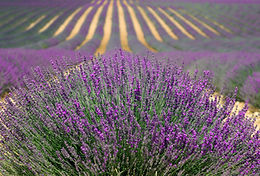
Plant
Monograph

Myth and Lore
Ritual and Spiritual Correspondences:
-
Element: Air (primary), with Fire influence
-
Planetary Association: Mercury (communication, clarity), Venus (love, harmony)
-
Actions: Calm, purification, peace, protection, clarity, emotional balance
-
Chakra Associations: Third Eye (intuition), Crown (spiritual connection), Heart (gentle emotional healing)
Magical Uses:
-
Burned or diffused for purification and calming energy in a space
-
Used in dream sachets to promote restful sleep and vivid dreams
-
Added to baths for energetic cleansing and emotional release
-
Carried for peace, protection, and gentle heart healing
Myth and Folklore:
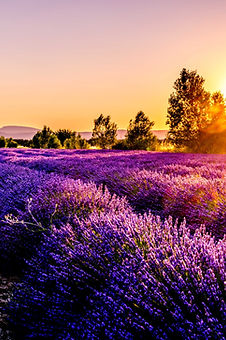
Lavender has long been associated with purity, protection, and devotion. In ancient Rome, it was used in baths for cleansing and relaxationits - name derived from the Latin lavare, meaning “to wash.” In medieval Europe, lavender was placed in homes to ward off illness and evil spirits.
It was also associated with love and fidelity, often used in wedding rituals and love charms. In some traditions, lavender was believed to attract gentle spirits and promote harmony in relationships. Monastic herbalists cultivated lavender extensively for its healing and purifying properties, further cementing its reputation as both a physical and spiritual cleanser.
Herbal Monograph: Lavender (Lavandula spp)
Botanical Name: Lavandula spp
Common Names: Lavender, English Lavender, True Lavender
Family: Lamiaceae
Plant Description:
Lavender is a fragrant perennial shrub native to the Mediterranean region. It typically grows 1–3 feet tall with narrow, silvery-green leaves and spikes of small purple, blue, or violet flowers. The plant thrives in well-drained soil and full sun, and is widely cultivated for medicinal, culinary, and aromatic uses.
Parts Used:
-
Flowers (primary)
-
Leaves (less commonly)
-
Essential oil
Active Constituents:
-
Volatile oils (linalool, linalyl acetate)
-
Flavonoids
-
Tannins
-
Coumarins
Energetics:
Taste: Bitter, slightly sweet, aromatic
Energy: Cooling, drying
Traditional and Modern Uses:
-
Nervine Support:
-
Lavender is widely used to calm the nervous system, reduce anxiety, and support restful sleep.
-
-
Digestive Aid:
-
Helps relieve bloating, gas, and mild digestive discomfort.
-
-
Headache Relief:
-
Often used for tension headaches and migraines.
-
-
Skin Support:
-
Soothing for burns, insect bites, wounds, and inflammatory skin conditions.
-
-
Antimicrobial:
-
Exhibits mild antibacterial and antifungal properties
-
-
Emotional Balance:
-
Supports mood regulation and eases stress and irritability
-
-
Lavender Tea: Calms anxiety, supports sleep, and eases digestion.
-
Lavender Tincture: Used for nervous tension, headaches, and mild depression.
-
Lavender Oil (Topical): Applied to burns, bites, and skin irritations.
-
Aromatherapy: Inhalation of lavender essential oil supports relaxation and emotional balance.
Preparation and Dosage:
-
Infusion (Tea): 1 tsp per cup, up to 3 times daily
-
Tincture: 2–4 mL, 2–3 times daily
-
Essential Oil: Diluted for topical use or inhaled aromatically
-
Lavender EO is one of very few EO that can be placed directly on the skin without a barrier oil in smaller amounts
-
Recipes:
1. Lavender Tea:
Ingredients:
-
1 tsp dried lavender flowers
-
1 cup hot water
-
Honey (optional)
Instructions:
-
Pour hot water over lavender flowers.
-
Steep for 5–10 minutes.
-
Strain and sweeten if desired.
-
Drink before bed or during times of stress.
2. Lavender Syrup:
Ingredients:
-
1 cup water
-
1 cup sugar or honey
-
1 tbsp dried lavender flowers
Instructions:
-
Heat water and sugar until dissolved.
-
Add lavender and simmer gently for 5 minutes.
-
Remove from heat and steep 15–20 minutes.
-
Strain and store in the refrigerator.
-
Use in beverages, desserts, or teas.
3. Lavender Bath Soak
Ingredients:
-
1/2 cup dried lavender flowers
-
1 cup Epsom salts
Instructions
-
Combine ingredients. Can place in a strainer or muselin bag
-
Add to a warm bath.
-
Soak for 20+ minutes to promote relaxation.
Safety and Precautions:
-
Generally safe when used appropriately.
-
Essential oil should be diluted before topical use.
-
Large doses may cause nausea or headache in sensitive individuals.
Sustainability and Ethical Considerations:
Lavender is widely cultivated and considered sustainable. Choose organic and responsibly sourced products to ensure ecological integrity.
Contraindications:
-
Use caution with essential oil in pregnancy or with hormone-sensitive conditions.
-
May interact mildly with sedative medications
Conclusion:
Lavender (Lavandula spp.) is a versatile and beloved herb known for its calming, healing, and aromatic qualities. Supporting both the nervous system and emotional well-being, it bridges the physical and energetic realms, offering gentle yet profound support.
References:
-
Wood M. The Earthwise Herbal. Berkeley, CA: North Atlantic Books; 2008.
-
Hoffmann D. Medical Herbalism. Rochester, VT: Healing Arts Press; 2003.
-
Gladstar R. Herbal Recipes for Vibrant Health. North Adams, MA: Storey Publishing; 2008.
-
American Herbal Pharmacopoeia.
-
Herbal Academy Materia Medica.